

Why Is My Dentist Suggesting Botox?
Posted by writeradmin
This sounds crazy, but my dentist is suggesting Botox and says it will help my teeth and jaw. I said that to my husband and he literally spit out his drink. He says she’s just looking for a new way to earn money using hocus pocus, which is his way of saying someone is making something up. My question is can this help? If so, how do I convince my husband? Some thing that may be relevant is that I’m a teeth grinder. but only at night.
Angela
Dear Angela,

I totally get your husband’s reaction. Most people hear the word “Botox,” and their first thought will likely be smoothing forehead lines or minimizing wrinkles. So, what do cosmetic injections have to do with your teeth? Quite a lot, actually.
Dentists spend years studying the anatomy of the face, jaw, and oral structures, especially those who study neuromuscular dentistry. They also regularly treat problems affected by the muscles that control your jaw. For some patients, Botox may be one option for managing excessive muscle activity associated with conditions such as teeth grinding, clenching, or certain types of TMJ discomfort.
Every time you chew, speak, yawn, or clench your teeth, several muscles work together, including the masseter and temporalis muscles. These stabilize your jaw. If these muscles are repeatedly overworked, like by teeth grinding, they can become sore and cause significant wear or damage.
How Can Botox Help With Bruxism?
Bruxism is the medical term for grinding or clenching your teeth. Some people do it while awake, while others grind their teeth during sleep without realizing it.
Over time, bruxism creates signficant problems such as:
- Worn or flattened teeth
- Chipped or fractured teeth
- Jaw pain
- Facial muscle pain
- Morning headaches or migraines
- Damage to dental restorations
Botox temporarily reduces activity in the targeted muscles. Relaxing those muscles provides relief. Be aware that Botox isn’t necessarily a replacement for a nightguard.
Botox vs. a Nightguard
Botox and nightguards don’t do the same thing. A nightguard creates a protective barrier between your upper and lower teeth. If you clench or grind while wearing it, the appliance helps protect your teeth and dental restorations from those forces.
Botox takes a different approach. Instead of creating a physical barrier, it reduces activity in selected muscles responsible for powerful jaw contractions. Depending on the cause and severity of your symptoms, your dentist may recommend one approach or suggest both options.
Dentists Also Use it for TMJ Pain
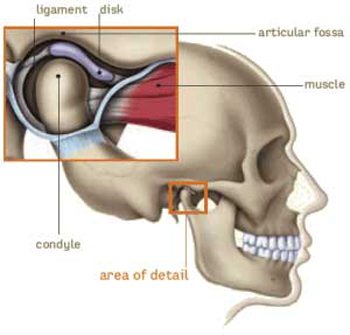
The TMJ joints connect your lower jaw to your skull. Temporomandibular disorders can have several causes, so there isn’t one treatment that’s right for every patient.
When pain is related at least partly to excessive muscle activity, Botox may sometimes be considered as part of treatment. Dentistry involves much more than checking for cavities. Your dentist evaluates your teeth, bite, jaw joints, and surrounding oral and facial structures. So talking about Botox is part of dental treatment.
I hope this helps with your husband.
This blog is brought to you by a friendly dentist in Mt. Dora, Dr. Michelle Stillman.
See why some patients consider her the best dentist in Mt. Dora.