

Why Do My Teeth Feel Loose During Clear Aligner Treatment?
Posted by writeradmin
I have been using Invisalign and really love it. Today, though, I noticed that one of my teeth feels slightly loose. Is this normal? Am I in danger of losing this tooth?
Ellie
Dear Ellie,
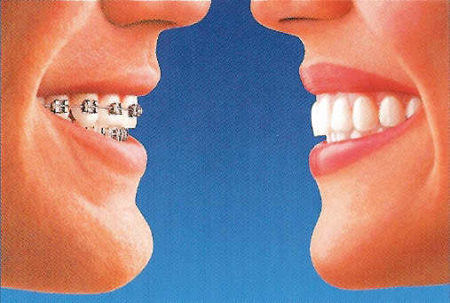
I don’t know if you’re like me, but as a child I had a recurring nightmare that my front teeth would suddenly come loose and fall out. Good thing I’m in the dental industry!
Before you panic, this isn’t a sign of impending disaster. So take a deep breath. Some temporary tooth mobility can be a normal part of orthodontic treatment. Clear aligners work by moving your teeth. To accomplish that, changes have to take place in the tissues and bone that support them.
You may have noticed that when your aligners are first placed, they’re a bit tight, but a few days later, you it feels looser. This is because the the aligners are designed for the ending position of the teeth for that set. Even though they are in the new position in a few days, don’t move on to the next aligners until the full two weeks are complete. Why not?
I’m so glad you asked. This is because your teeth need the additional time for the bone to integrate with the roots at the new position. Without that, they will come loose and, in this case, that would be a problem. On the off chance you’ve been switching aligners early, contact your dentist so the two of you can come up with a plan.
Another reason a small amount of increased tooth mobility can occur during Invisalign treatment, as well as with traditional braces, has to do with ligaments. Each tooth root is surrounded by a thin layer of connective tissue called the periodontal ligament. This ligament helps attach the tooth to the surrounding bone while cushioning it against the forces of everyday biting and chewing.
Clear aligners use carefully planned to gradually move teeth into new positions. Those forces affect the periodontal ligament and trigger a process known as bone remodeling. Bone is resorbed in areas where the tooth needs room to move, while new bone forms to support the tooth in its new position. During this process, a tooth may temporarily feel a little more mobile than it did before treatment began. This is perfectly fine.
How Loose Is Too Loose?
There is an important difference between a tooth feeling slightly different during orthodontic treatment and a tooth becoming noticeably or progressively loose.
Contact your dentist if a tooth suddenly seems significantly more mobile, continues becoming looser, or if the change is accompanied by other symptoms such as one or more of the following:
- Swollen, red, or painful gums
- Persistent bleeding around the tooth
- Significant pain rather than ordinary orthodontic tenderness
- Gum recession
- Pus or other signs of infection
- An injury to the tooth or mouth
Tooth mobility can have causes unrelated to clear aligners, including gum disease, trauma, or problems with the tissues supporting the tooth. Rather than assuming a loose tooth is simply part of orthodontic treatment, tell your dentist about anything that seems unusual.
Should I Wear My Aligners If a Tooth Feels Loose?
If you’re experiencing only the mild tenderness or subtle mobility your dentist has told you to expect, you should generally continue following the prescribed aligner schedule. Don’t independently change your treatment plan if something doesn’t seem right. That includes skipping aligners, moving ahead to the next set early, going back to an old aligner, or changing how many hours you wear them.
If a tooth feels unusually loose or painful, contact your dentist for instructions. Your dentist can determine whether what you’re experiencing is part of normal orthodontic movement or something that needs attention.
Will My Teeth Tighten Again After Clear Aligner Treatment?
The tissues surrounding your teeth continue adapting after active orthodontic movement is complete. This is also why retainers are such an important part of orthodontic treatment.
Teeth have a natural tendency to shift even after orthodontic treatment. A retainer helps hold them in their new positions while the surrounding tissues stabilize. Wearing your retainer as directed helps protect the smile you worked so hard to achieve.
I hope this puts your mind at ease.
This blog is brought to you by a top-rated dentist in Mt. Dora, Dr. Michelle Stillman.